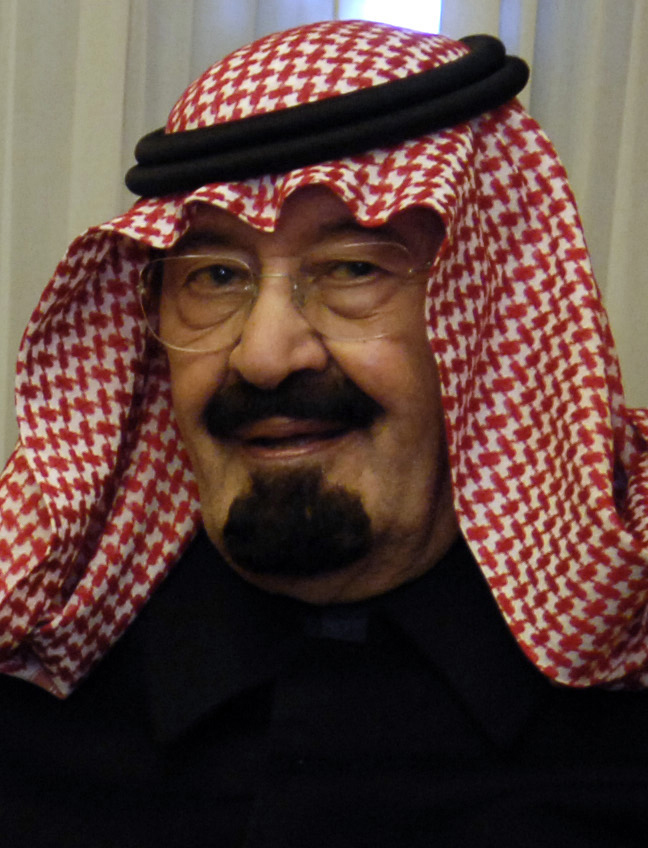
Abdullah bin Abdulaziz
Reign
Saudi Arabia (2005 – 2015)
Description
Abdullah ibn Abdul-Aziz Al Saud, King of Saudi Arabia, was born on August 1, 1924 in Riyadh. His father, Abdul-Aziz ibn Saud, is the founder of modern Saudi Arabia, and his mother is Fahda bint Asi Al Shuraim1. Abdullah was the tenth son of his father. Abdullah played an active role in the government from a young age. In 1961, he was appointed the mayor of Mecca, and from 1962 he was appointed commander of the Saudi National Guard, a position he held until 20101. In 1975, when King Khalid ibn Abdul-Aziz ascended the throne, Abdullah was named heir to the throne. In 1995, when King Fahd suffered a severe stroke, Abdullah took over temporarily and exercised real power in the running of the country for the following years. On August 1, 2005, with the death of Fahd, Abdullah ascended the throne. During his reign, Abdullah introduced significant reforms in Saudi Arabia. He instituted economic reforms that included deregulation, support for foreign investment, and privatization. In 2005, the country held its first municipal elections in which adult men could vote. Abdullah died on 23 January 2015 and was succeeded on the throne by his son Salman ibn Abdul-Aziz.
Minting information
Abdullah ibn Abdul-Aziz was the king of Saudi Arabia from 2005 to 2015. During its minting, it issued several types of coins and banknotes representing a currency called the Saudi riyal. The coins usually bore his name, the name of the kingdom, the year of issue and the Islamic creed in Arabic. The reverse side of the banknotes featured various Saudi buildings, landscapes and symbols. The purpose of the coinage was to strengthen Saudi national identity and religious loyalty. Some examples of King Abdullah's coinage: 1 riyal coin (2005): the obverse of the coin features the name of the king, the name of the kingdom and the creed, and the reverse is the issue year and the Saudi coat of arms, which is a palm tree and two swords. 5 riyal coin (2010): on the obverse of the coin is the name of the king, the name of the kingdom and the creed, and on the reverse is the year of issue and the Kaaba, the most important shrine of Mecca.10 riyal banknote (2007): on the front of the banknote is the name of the king, the name of the kingdom and the creed, and on the back is the Saudi royal palace, the capital building of Riyadh. 50 riyal banknote (2007): on the front of the banknote is the name of the king, the name of the kingdom and the creed, and on the reverse is the Madain Saleh necropolis, which was the city of the ancient Nabataeans. 100 riyal banknote (2007): the obverse of the banknote is the name of the king, the name of the kingdom and the creed, and the reverse is the Nabawi Mosque, Medina its second most important shrine. 500 riyal banknote (2007): on the front of the banknote is the name of the king, the name of the kingdom and the creed, and on the back is the Haram Mosque, the most important shrine of Mecca.
