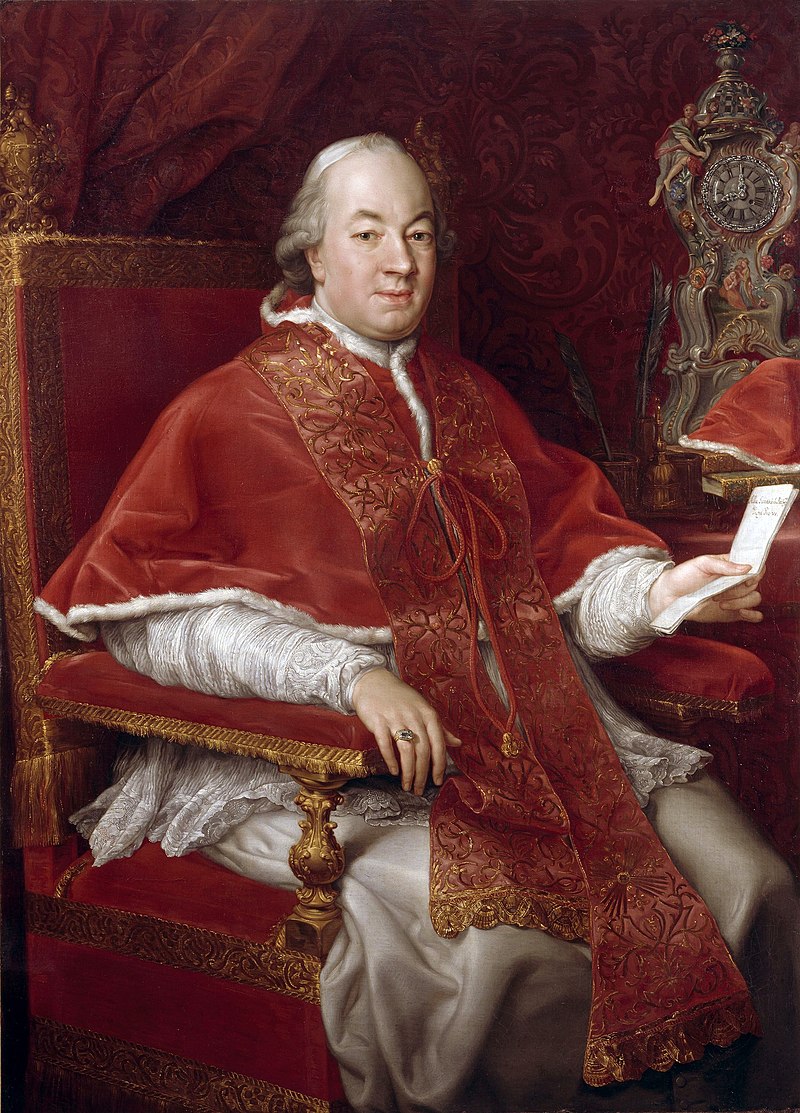
Pius VI
Reign
Vatican (1775 – 1799)
Description
VI. The papacy of Pius (born Giovanni Angelo Braschi) (1775-1799) was an extremely eventful and challenging period for the Catholic Church and the Vatican. During his pontificate, the church faced many difficulties, including the spread of Enlightenment ideas, the growing influence of political powers and revolutionary events.VI. During the papacy of Pius, the relations between the church and the state changed significantly. With the spread of the ideas of enlightened absolutism, many European rulers tried to limit the influence and power of the church. The outbreak of the French Revolution (1789) brought a significant change in the life of the pope and the situation of the church. The revolutionaries saw the church as one of the main supports of the old system and therefore made many attacks against it. Church property was confiscated, clergy persecuted, and the church subordinated to the state. In 1797 French troops invaded the Papal States and the Pope was forced to renounce his sovereignty over Avignon, Venaissin and other territories. He was captured by the French in 1798 and exiled to France. VI. Pope Piusz died in captivity in Valence in 1799. His death was a great loss for the church, as it lost a leader who firmly represented the interests of the church, even in the most difficult circumstances.
Minting information
VI. During the pontificate of Pope Pius (1775–1799), the coins minted in the Vatican are: Scudo: The most common type of coin was the silver scudo, which weighed 6.5 grams. , and its fineness is 900 thousandths. On the obverse of the medal VI. The portrait of Pope Piusz and the papal coat of arms can be seen on the back.Bajocco: The bajocco was a smaller silver coin minted in the Vatican, weighing 3.25 grams and fineness 833 thousandths. VI on the obverse of the coin. The portrait of Pope Pius and the figure of the apostles St. Peter and St. Paul can be seen on the back. Testone: The testone was a larger silver coin weighing 12.5 grams. its fineness is 900 thousandths. On the obverse of the medal VI. The portrait of Pope Piusz and the papal coat of arms can be seen on the back.Zecchino: The gold zecchino was the most valuable coin minted in the Vatican, weighing 3.5 grams and having a fineness of 994 thousandths. VI on the obverse of the coin. The portrait of Pope Piusz and the lion of Saint Mark can be seen on the back. The coins minted in the Vatican were minted by the papal mint, the Vatican mint. The mint is located in the Vatican City and has minted papal coins for centuries. VI. Coins minted during the pontificate of Pope Pius are still sought after by collectors. They are beautiful and historically significant, reminding us of an era when the Vatican was still an independent state.
