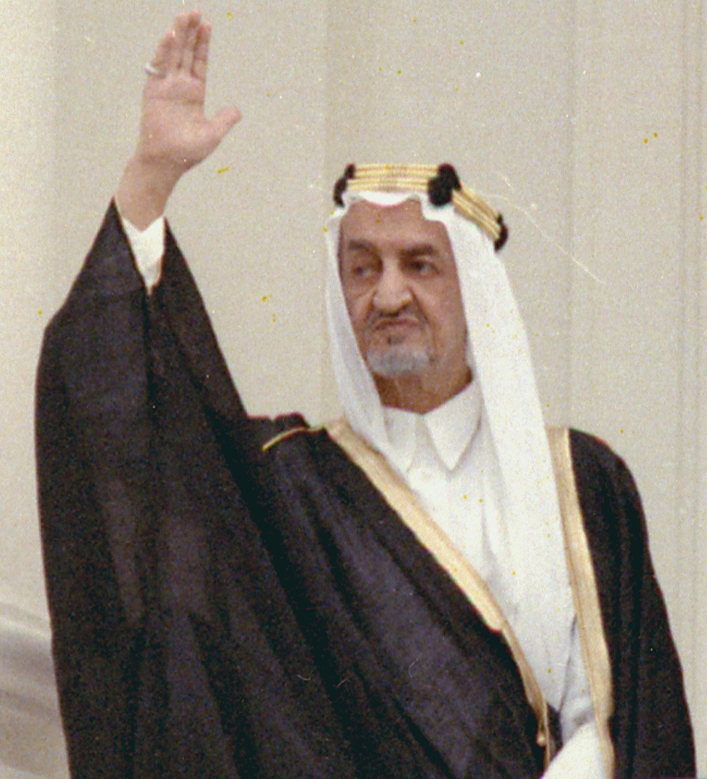
Faisal bin Abdulaziz
Reign
Saudi Arabia (1964 – 1975)
Description
Fejsal ibn Abdul-Aziz ruled Saudi Arabia from 1964 to 1975, and the country underwent significant changes during his reign. On the one hand, he preserved traditional values and Islamic principles, and on the other hand, he introduced modernization reforms, thanks to which Saudi Arabia became one of the richest countries in the world. Fejsál came to power in 1964, after the overthrow of his brother, King Saud. During his rule, he made many important decisions regarding the future of the country. Fejszál recognized the importance of oil and focused on exploiting it. Using the oil revenues, he made significant investments in the development of infrastructure, education and healthcare. While preserving the country's traditional values, Fejsál also spearheaded modernization reforms. implemented. He supported women's education and gradually expanded the role of women in society. Fejsál pursued a strong pan-Islamist policy and became a leading figure in the Arab world. He supported the Palestinian cause, and during the 1973 Arab-Israeli war, he ordered an oil embargo against Israel and its supporting countries. This oil embargo significantly raised oil prices worldwide and caused an energy crisis. During Fejsál's reign, Saudi Arabia became one of the world's most important oil exporters. Thanks to oil revenues, the country's economy developed rapidly and Riyadh became a modern metropolis. Oil had a huge influence on international politics, and Saudi Arabia played a major role in OPEC. Fejsál's reign ended violently. He was murdered in 1975 by one of his nephews. With his death, the country suffered a great loss, and it was a difficult task for his successors to maintain the balance he established between tradition and modernity. After his death, his brother Khalid became the king.
Minting information
During the reign of King Fejsal ibn Abdul-Aziz, between 1964 and 1975, Saudi Arabia underwent significant changes in the field of coinage. The silver riyal was the dominant coin, but in 1965 the paper riyal was also introduced. The new banknotes were issued by the Saudi Arabian Monetary Agency and were available in denominations of 1, 5, 10, 50 and 100 riyals. In 1972, Saudi Arabia introduced the decimal system. currency and the riyal was divided into 100 halals. New coins were issued in denominations of 1, 5, 10, 25 and 50 halala, as well as new banknotes in denominations of 1, 5, 10, 50 and 100 riyals. Coins and banknotes minted during the reign of King Faisal reflect an important period in the history of Saudi Arabia. This was a time when the country experienced significant economic growth and development, and the changes in the coinage reflect this.

